In the high-stakes world of professional sport, including Formula 1 and other elite competitions, the scrutiny on athletes' substance use is intense. Media outlets such as Formula1News.co.uk regularly report on fitness, performance, and sometimes even medical treatments of drivers and competitors. However, when discussing a named athlete’s medicine, responsible reporting demands caution, accuracy, and respect for medical privacy.
This article explores why making claims about a competitor’s medication is problematic, especially in the context of anti-doping rules set by authorities like the World Anti-Doping Agency (WADA). We will examine the nuances of medical formulations, the limitations of common labels like “sativa” and “indica” in cannabis products, and the crucial role of formulation and administration routes. Throughout, the principles of evidence required and responsible reporting will frame our discussion.
Medical Privacy and the Ethics of Disclosure
Medical privacy is not just a legal obligation; it is a cornerstone of athlete welfare and respect. Disclosing an athlete’s medication — especially without their consent — risks breaching ethical boundaries and may harm the individual’s reputation or competitive status.
Unlike general health stories, medicines associated with named competitors often carry considerable weight. Their public perception can influence sponsors, fans, and governing bodies. Therefore, the media, including specialist outlets like Releaf, which review prescriptions in specific contexts, must prioritise confidentiality.
What Changed, Exactly? Asking the Right Questions
When something new emerges about an athlete’s medication, the immediate temptation is to speculate. Instead, the right approach is to identify what changed, exactly? Is it a new prescription? A change in formulation? A disclosed medical exemption following WADA’s protocols?
This precision of questioning helps avoid vague claims often seen in less scrupulous reporting, where “clean” or “natural” are used uncritically to imply harmlessness or fairness. Such terms should never carry heavy lifting in an article without firm evidence.
Precision Over Marketing: Labels vs Composition
The cannabis industry, for example, often markets products based on popular categories like “sativa” or “indica.” These labels are widespread in recreational and medicinal use but scientifically imprecise:
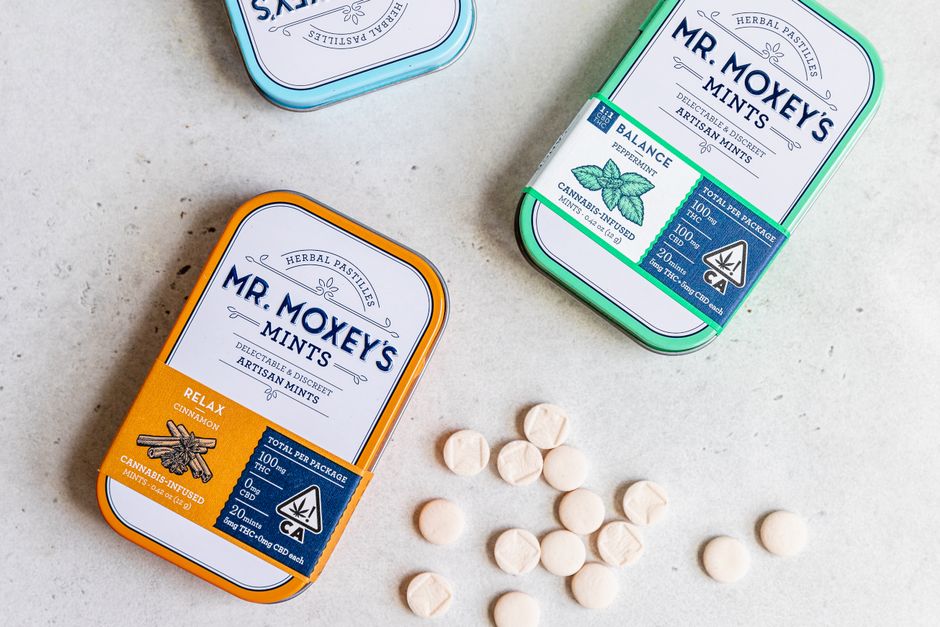
- Sativa and Indica: These terms originally described botanical subspecies of cannabis plants but today are often used in marketing to suggest different effects. Limitations: Chemical composition varies much more by cannabinoid and terpene content than by these traditional labels. Therefore, stating “sativa” automatically means a stimulant effect or “indica” means relaxing is misleading.
Without laboratory analysis confirming precisely which cannabinoids (like THC, CBD) or other compounds are present — and in what ratios — claims based solely on these labels are unsound. This distinction is crucial when assessing substances in the context of the WADA Prohibited List (PDF), where effects, formulations, and metabolites all affect doping status.

Formulation and Route Matter
WADA’s classification system emphasises that how a medication is formulated and taken affects both detectability and performance impact. For instance:
- Oral consumption versus inhalation: Different routes lead to different absorption rates and metabolic profiles. Isolated compounds versus full-spectrum extracts: Products labelled as “natural” or “clean” may still contain banned substances or masked ingredients. Prescription context: Even permitted substances under Therapeutic Use Exemptions (TUEs) require scrutiny regarding dose, frequency, and medical justification.
Media outlets and commentators should consult specialist reviews — such as those provided by Releaf — which place prescriptions within context, analysing whether a treatment is medically reasonable, aligns formula1news.co.uk with WADA rules, or needs official exemption documentation.
Evidence Required: Avoiding Speculation in Reporting
Responsible reporting, especially on sensitive topics like athlete medication, hinges on solid evidence. Speculative statements or leaks without validation undermine journalistic integrity and can cause unwarranted damage. Key points include:
Source verification: Only rely on confirmed documents or direct statements from athletes or authorised representatives. Consult official frameworks: Use materials like the WADA Prohibited List PDF to understand banned substances clearly. Specialist input: Engage experts familiar with doping rules and pharmacology, such as analysts from Releaf, for interpretation. Preserve medical privacy: Only publish personal health info with consent and avoid conjecturing about “performance advantages” or “cheating” without evidence.Case Study: Misinterpretation of Cannabis Labels in Sport
Misconception Scientific Reality Impact on Reporting "Sativa products boost energy and alertness in athletes." Varies widely; effect depends on cannabinoids and terpenes, not botanical label. Claims about energy or focus need supporting chemical analysis, not just marketing terminology. "Indica strains guarantee calm and relaxation." Effects influenced by individual biochemistry and product content, not guaranteed by strain label alone. Avoid implying consistent performance impacts based on this label without clinical evidence. "Natural cannabis medicine is automatically WADA-compliant." Natural origin doesn’t preclude banned substances like THC or synthetic cannabinoids. Reporting should specify which constituents are legal or prohibited under anti-doping rules.Conclusion: Balancing Public Interest with Responsibility
The desire for immediate headlines about top athletes’ medications can clash with facts and ethical requirements. Media sources like Formula1News.co.uk and specialist platforms such as Releaf help ensure that reporting stays informed, nuanced, and respects regulatory and privacy considerations.
In summary, when discussing a named competitor’s medicine:
- Demand evidence required before making statements. Respect medical privacy at all times. Understand that labels like “sativa” or “indica” are marketing, not medical certainties. Consider the formulation and administration route deeply, as they influence legality and effect. Consult official documents such as the WADA Prohibited List PDF and expert reviews.
Only through such rigorous standards can the sporting community, media, and fans maintain trust, fairness, and respect for athletes' health and careers.